
An accurate compression boots quotation depends on more than a product photo and a target price. Chamber layout, pressure settings, controller functions, garment sizes, accessories, branding and compliance requirements can all change the configuration. A clear RFQ helps a manufacturer quote the correct product and reduces revisions after sampling.
Why vague RFQs produce unreliable quotes
Two compression boots systems can look similar while using different pumps, valves, chamber structures, controllers and garment materials. A quotation based only on appearance may exclude functions that the buyer expects. The first objective of an RFQ is therefore to define the same product before comparing suppliers.
1. Target market and sales channel
Tell the supplier where and how the product will be sold: consumer e-commerce, sports recovery, gyms, physiotherapy channels, distributors or professional recovery centres. Include the destination countries because plug type, labels, manuals and compliance documents may differ by market.
2. Estimated order quantity and launch plan
State the sample quantity, estimated first order and expected repeat volume separately. This allows the manufacturer to discuss available models, branding methods, packaging choices and any development work at the correct scale. Avoid requesting a mass-production price without indicating a realistic quantity.
3. Garment coverage and chamber count
Define whether the system should cover the feet and legs only, extend to the hips, or support another garment format. Specify the preferred number of air chambers and whether adjacent chambers should overlap. Chamber geometry influences pressure progression and the feeling of the treatment.
4. Pressure range and adjustment steps
Do not request “high pressure” without numbers. State the preferred pressure range, unit and adjustment increments, or ask the supplier to recommend a range for the intended user. Confirm whether pressure can be adjusted globally or by individual chamber.
5. Inflation sequence and treatment programs
Describe how each mode should behave. Sequential inflation, full hold, zone selection and skip-chamber functions are not interchangeable. Ask for a program table that shows chamber order, hold behaviour, release logic and available session times.
6. Controller and user interface
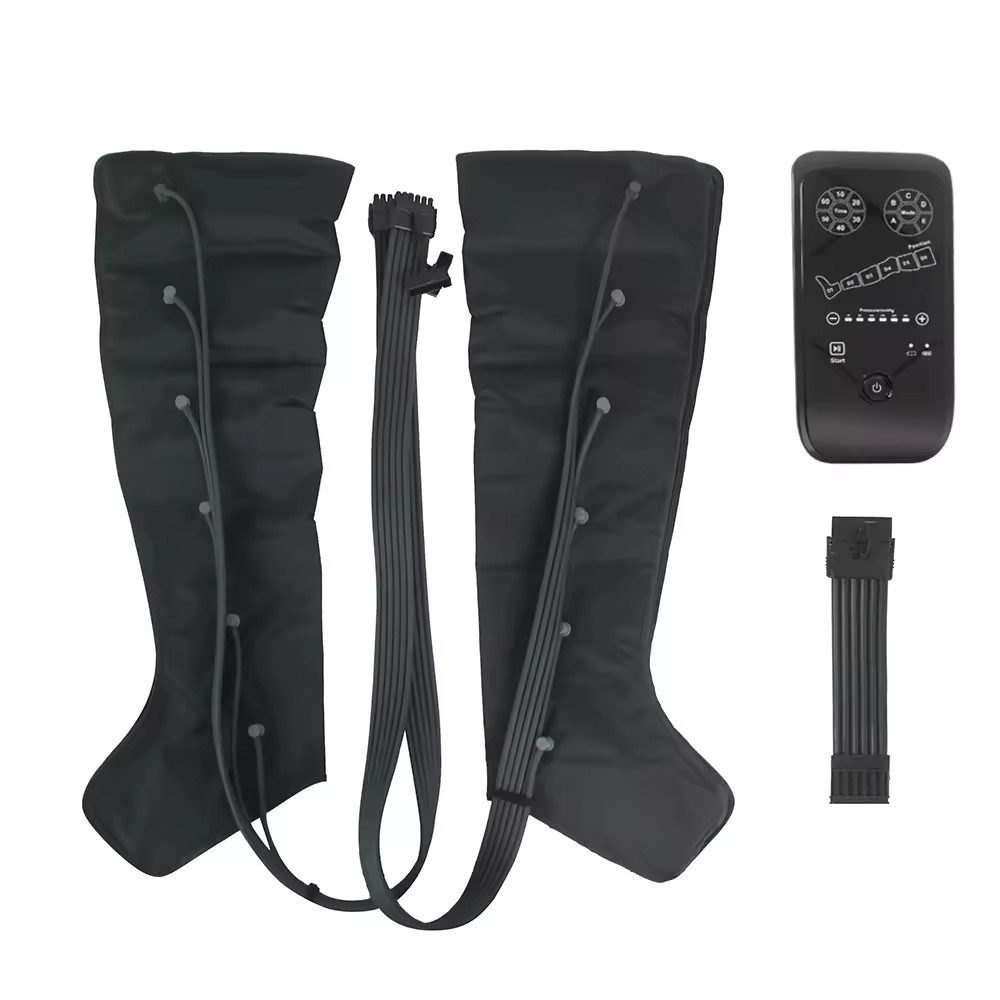
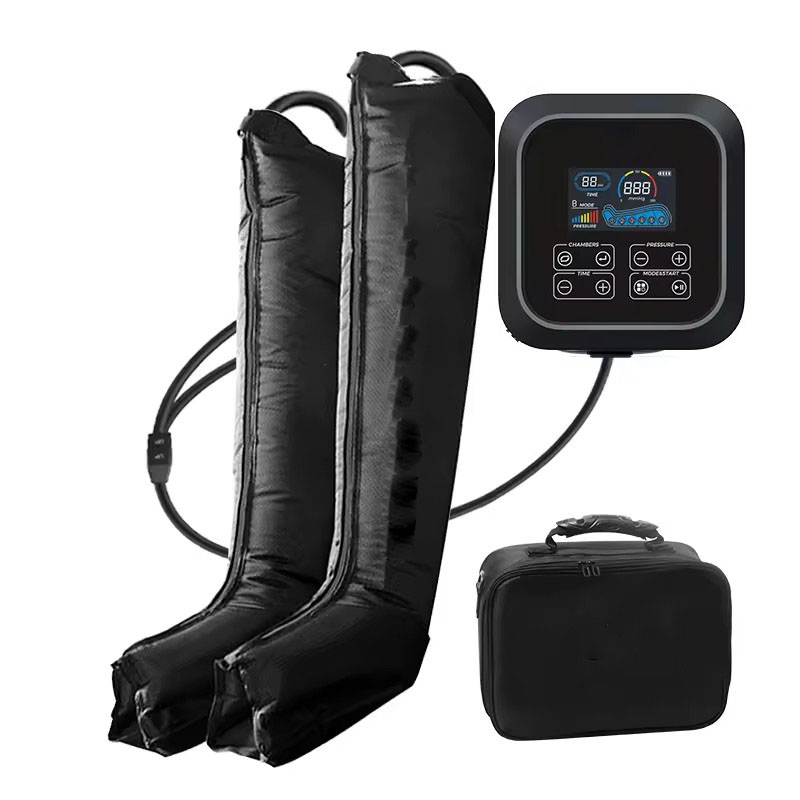
List the required controls: display type, number of modes, timer, pressure adjustment, memory, language, sound, battery operation and charging method. If an app or wireless control is required, identify it at the RFQ stage because it affects development scope and testing.
7. Sizing and garment construction
Provide the intended size range and target users. Confirm fabric, lining, zipper construction, hose routing, connectors and any extension pieces. For multiple sizes, request an approved measurement chart and tolerance standard rather than relying only on labels such as S, M or L.
8. Power, pump and operating environment
Specify destination voltage, plug type and whether portability or battery operation is important. Commercial facilities may prioritize repeated sessions and easy cleaning, while home users may prioritize compact storage and low noise. These requirements help determine the suitable controller and pump configuration.
9. Accessories and what is included
List every item expected in the carton: controller, garments, hoses, adapter, extensions, carrying bag, manual and spare components. Ask the supplier to return a complete packing list with the quotation so accessory differences do not distort price comparisons.
10. Private-label branding and packaging
Define logo positions, label language, colour requirements, manual, gift box, master carton and barcode needs. If artwork is not ready, request the supplier’s dielines and marking templates. Packaging dimensions and weight also matter for e-commerce and distributor logistics.
11. Compliance documents and quality checks
State the destination market and documents required by your importer or sales channel. Ask which reports apply to the exact proposed model, not only to a similar product. Also define pre-shipment checks for pressure operation, leakage, controller functions, timer, display, charging or power supply and garment appearance.
12. Sample approval and specification control
The RFQ should lead to a documented sample specification. Record the controller version, program logic, garment measurements, materials, accessories, labels and packaging that were approved. This becomes the reference when the project moves to production. See our guide on moving compression boots from approved sample to mass production.
Copy-and-send compression boots RFQ template
Target market/countries:
Sales channel and intended user:
Estimated sample quantity:
Estimated first order quantity:
Garment coverage and sizes:
Preferred chamber count:
Pressure range and adjustment:
Required treatment modes:
Controller, timer and power requirements:
Accessories:
Logo, colours and packaging:
Required documents/certifications:
Target launch date:
Reference product or additional notes:
What should come back with the quotation?
A useful quotation should identify the proposed model and configuration, included accessories, branding assumptions, packaging basis, sample terms and production conditions. Any undecided point should be marked clearly. This makes supplier comparisons more meaningful than comparing one headline price.
For a deeper technical comparison, read how chamber design, pressure range and controller programs shape the product.
Ready to request a compression boots quotation?
Send the completed checklist, your target quantity and any reference images. Temilo can recommend a suitable existing model or identify which parts require OEM development.